blossom into beauty
♻️
🌼
🧴
blossom into beauty ♻️ 🌼 🧴
plastics dominate the world around us.
when designing mass-market packaging, how can we do so ethically?
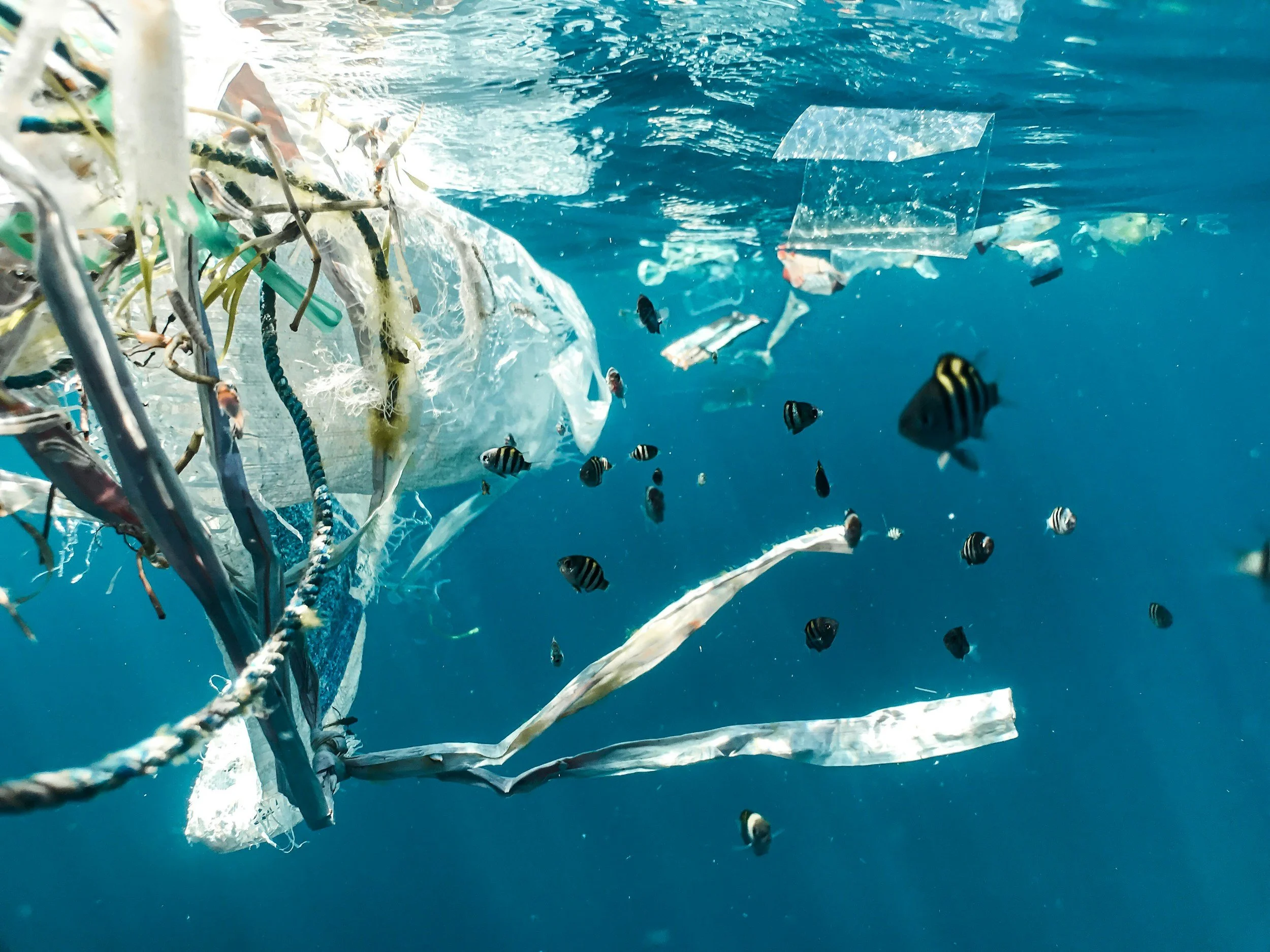
Plastics are the undisputed material of choice for producing high-volume consumer goods. With many kinds of plastics sticking around for decades or even centuries, addressing the environmental impact is paramount to preserving the world around us.
criteria to consider
character
The chemical structure of plastics allows them to possess extremely different physical and chemical properties. Durability, inertness, and aesthetics were of particular importance for beauty packaging.
flexibility
Plastic parts can be fabricated in a myriad of ways, like injection and blow molding, allowing for all sorts of shapes and sizes to be produced. This mitigates restrictions posed by other traditional manufacturing methods, allowing for more freedom when designing parts.
Cost
A byproduct of oil production, plastics are often notably cheaper than other materials. When scaling to produce thousands of units per day, even the smallest of additional costs can balloon project expenses.
longevity
Plastics do not degrade in meaningful ways quickly. Though there are many methods of mitigating their lengthy lifespan, not all are created equal.
end of life alternatives
Mitigating the harmful effects of plastics on our world fall into three main categories:
01
reduce
02
reuse
03
recycle
Blossom into beauty
combines all three
-
Reducing the amount of plastic used to produce this package required me to minimize the mass of the parts while maintaining their core function. Thin walls can be of particular trouble with injection molding, so maintaining structural integrity is important for the injection shot process and daily use of the product.
Designing the parts to produce minimal waste when manufactured was a challenge in gate placement and internal geometry.
-
Reusing pieces of the product gives it a second lease on life. Using an attractive, transluscent, thick-bottomed jar, the body can be reused for many different purposes.
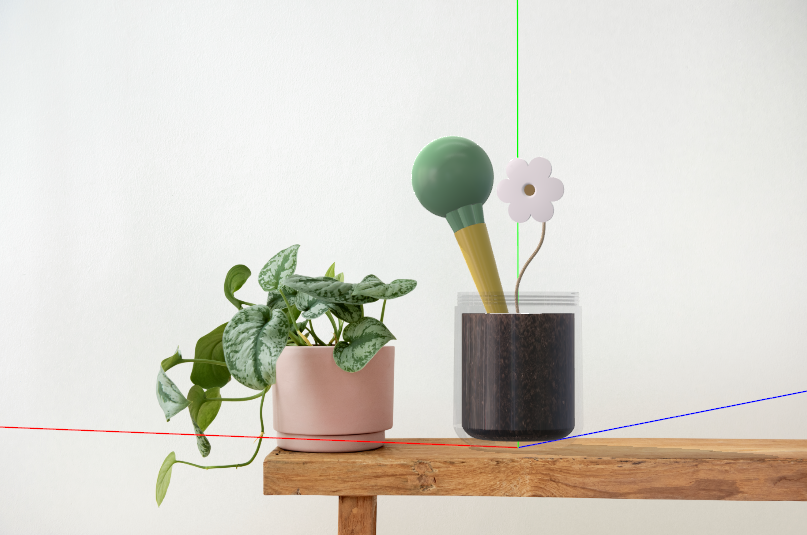
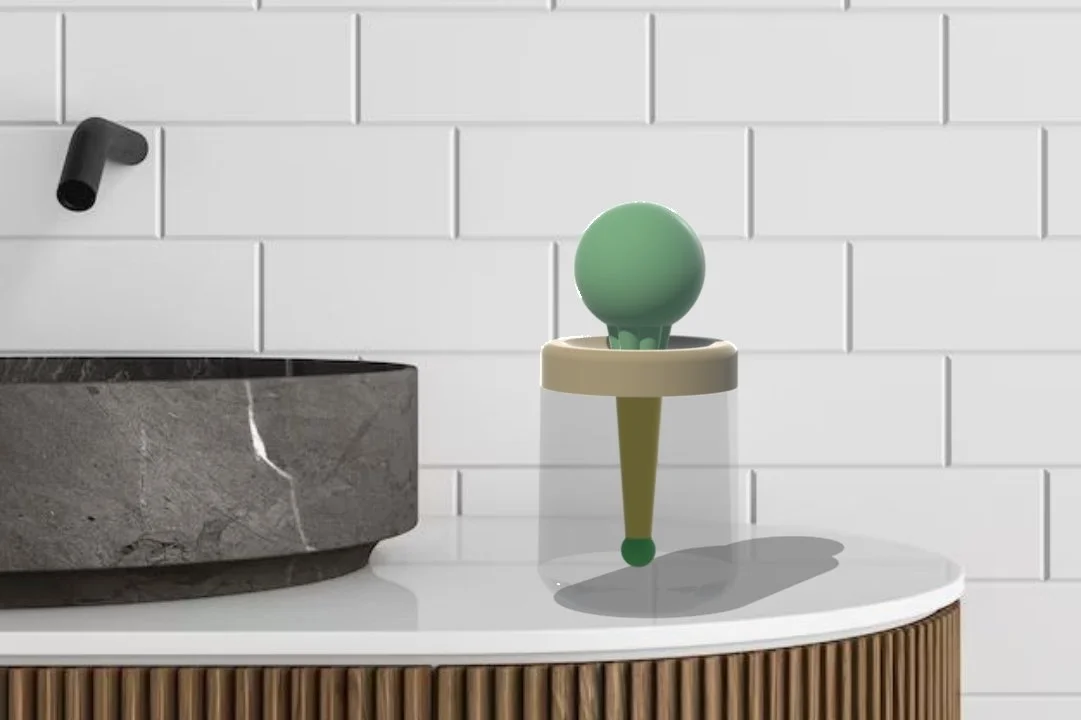
For Blossom, the intended use is as a planter, emphasized by the flower motifs in the shape of the bulb and stem. The facial applicator (aka the seed) can be removed from the tip of the stem with ease. Unscrewing the bulb from the stem allows users to remove the cap and fill the hollow bulb with water, which, when threaded back onto the wand, make the perfect watering globe to keep your plant happy and hydrated.
-
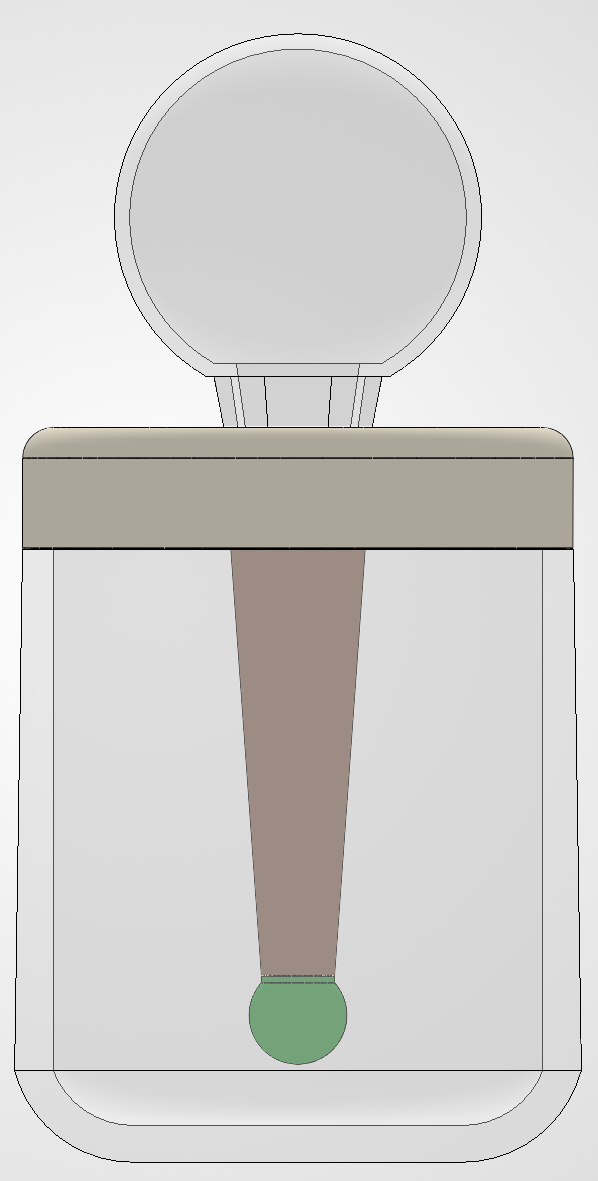
Making the cap, bulb, and stem from polypropylene offers a nearly monomaterial build that also seals against itself, creating airtight packaging.
Allowing for easy separation and cleaning of parts encourages folks to reuse what they want and recycle the rest.
blossom
into beauty
Similar to the beauty packaging I created at HCT, I embarked on this project to combine aesthetics with functionality and universal design. Continue below to explore the components.
the parts
The Bulb
The Stem
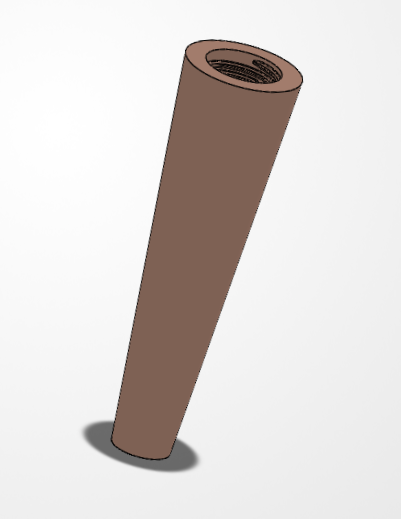
The Stem (also made in PP), connected with threads to the Bulb at the top and with a friction fit to the seed at the bottom, allows the user greater access to the deeper recesses of the jar, optimizing extraction of product. In an effort to minimize sink marks on the surface, the transition between wall thicknesses is kept minimal—less that 1 mm.
For use in it’s second life, it has a hollow interior that, when connected to the Bulb when filled, delivers water directly to plants.
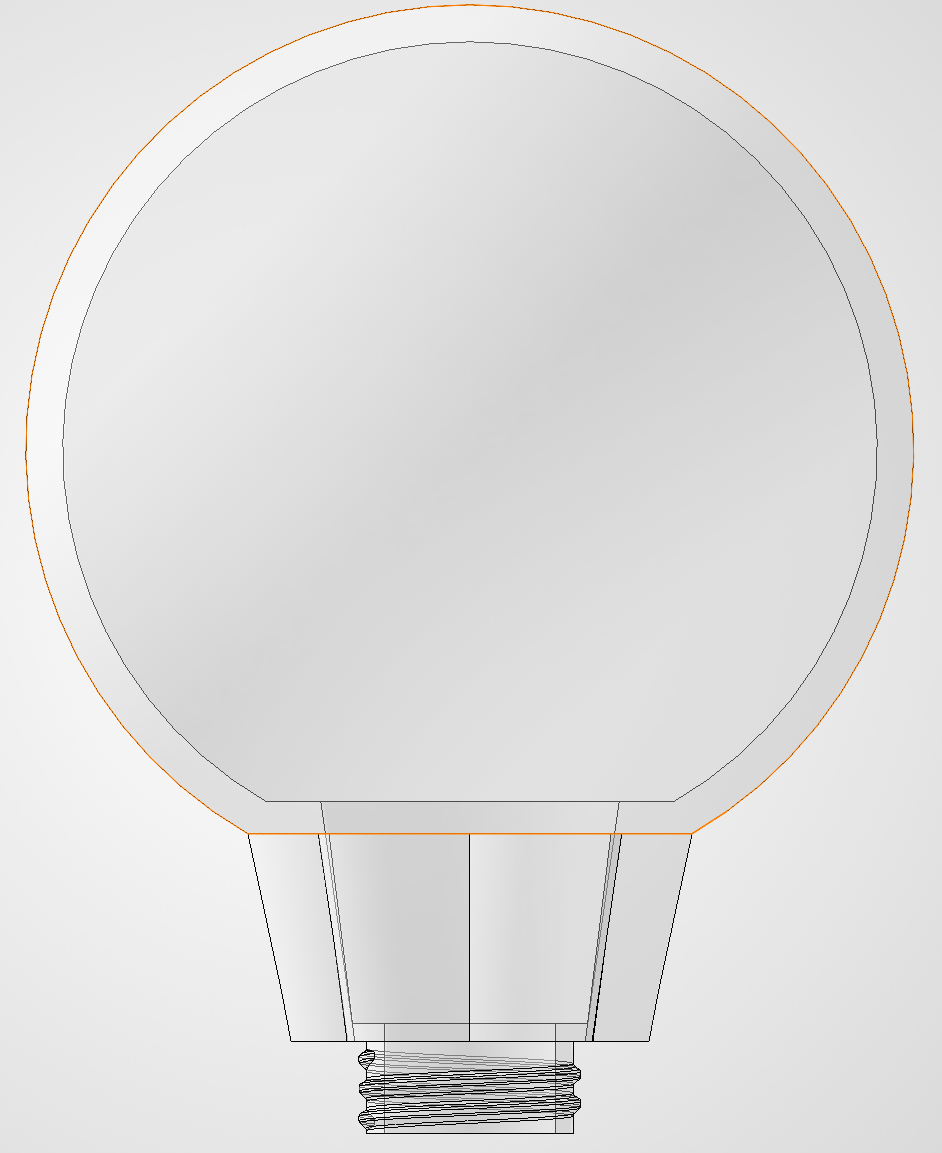
The Bulb (made from PP) acts as the handle for the assembly with the Cap, Stem, and Seed. It’s ergonomic design allows it to be gripped easily by most users, empowering smooth application of product. Though challenging, it’s walls were kept to a uniform thickness of 2 mm for optimal injection molding.
It features a daisy shape design as well, further cementing the flower imagery. It also features a hollow design that acts as a water reservoir for use as a watering globe.
The Seed
The Jar
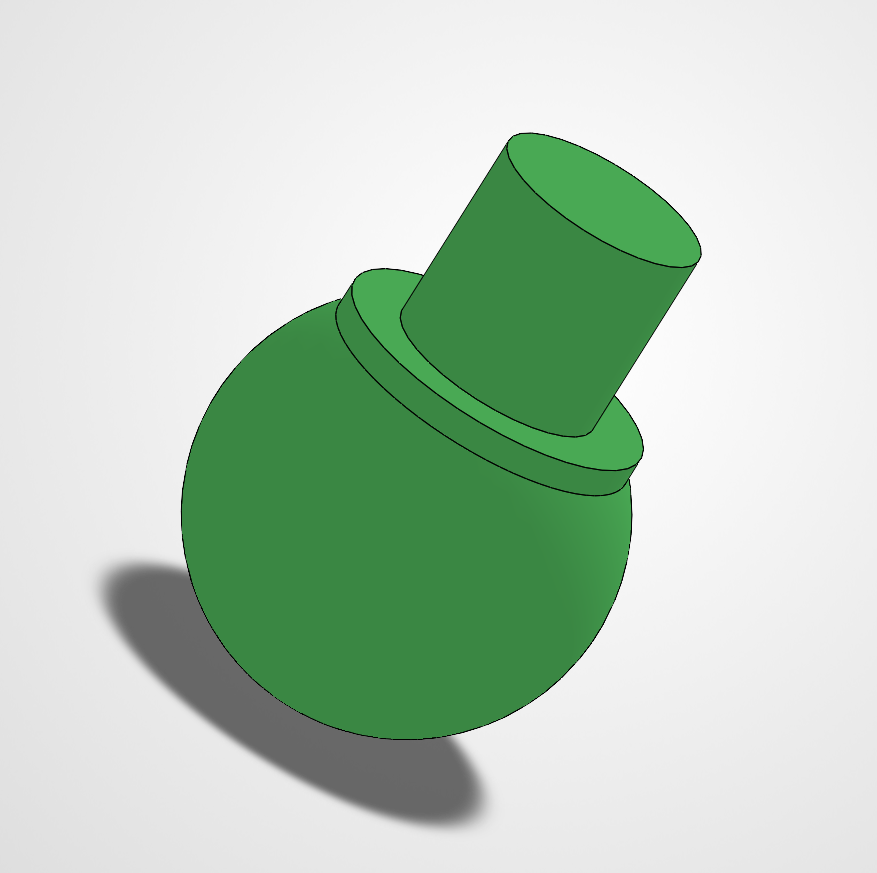
The Seed is designed for optimal comfort and application of product to the face (or any skin!). It is cast mold with soft silicone for a silky smooth feeling. Using a force fit, it stays snugly in the base of the Stem.
Once the product is finished, the Seed can be safely discarded. Unfortunately, there are no widely available methods for recycling silicone.
The Seal
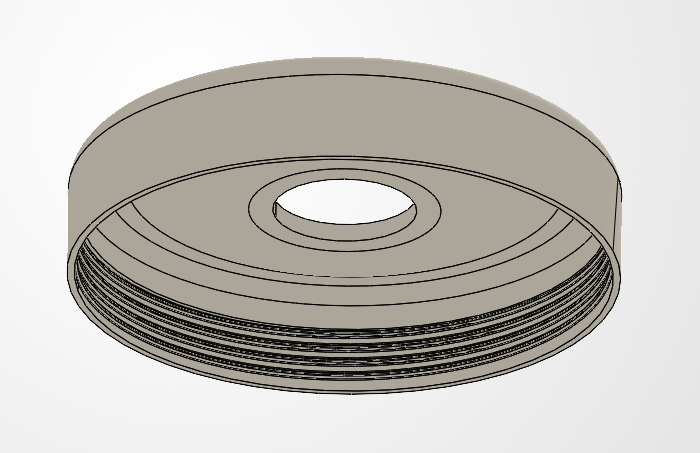
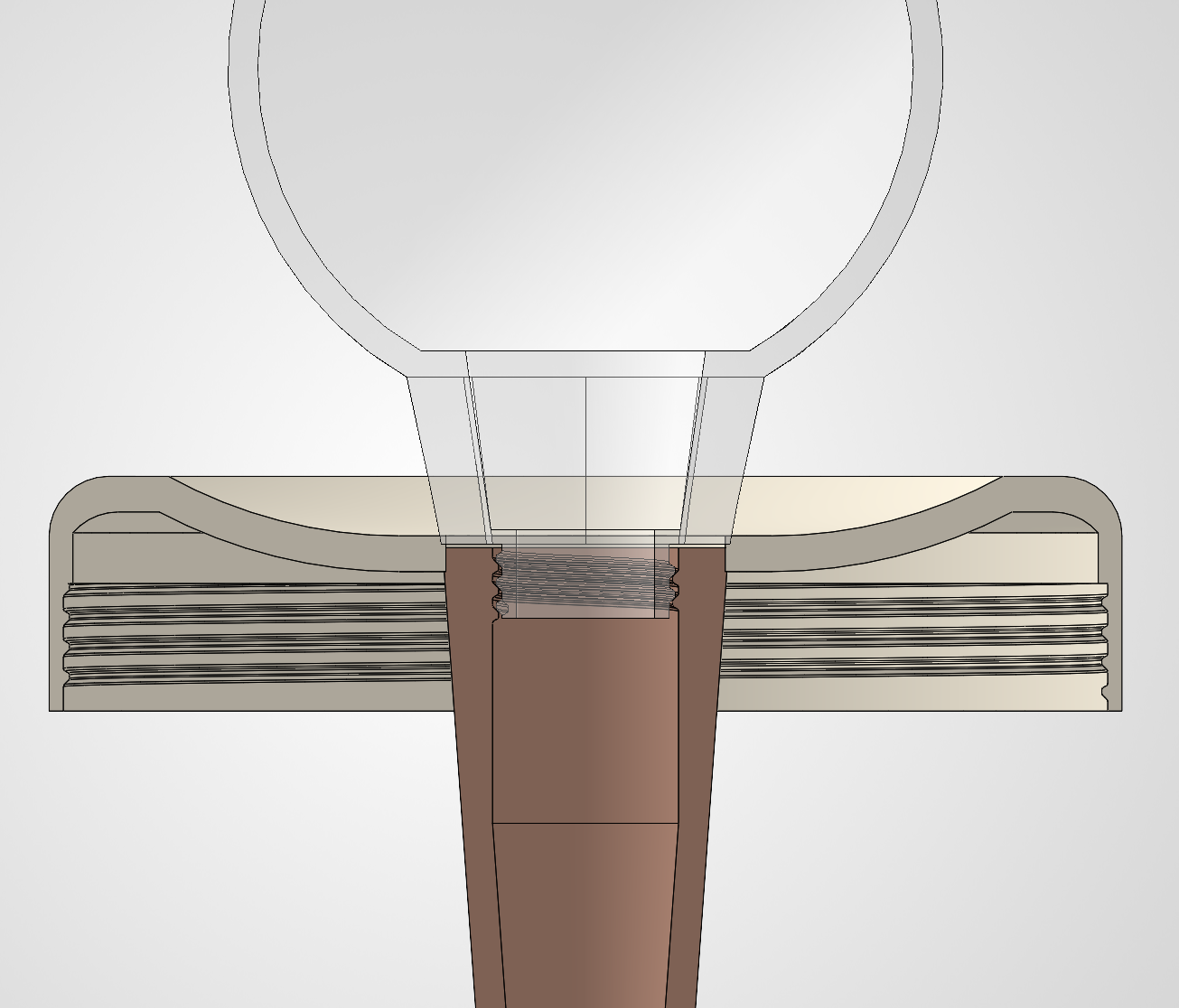
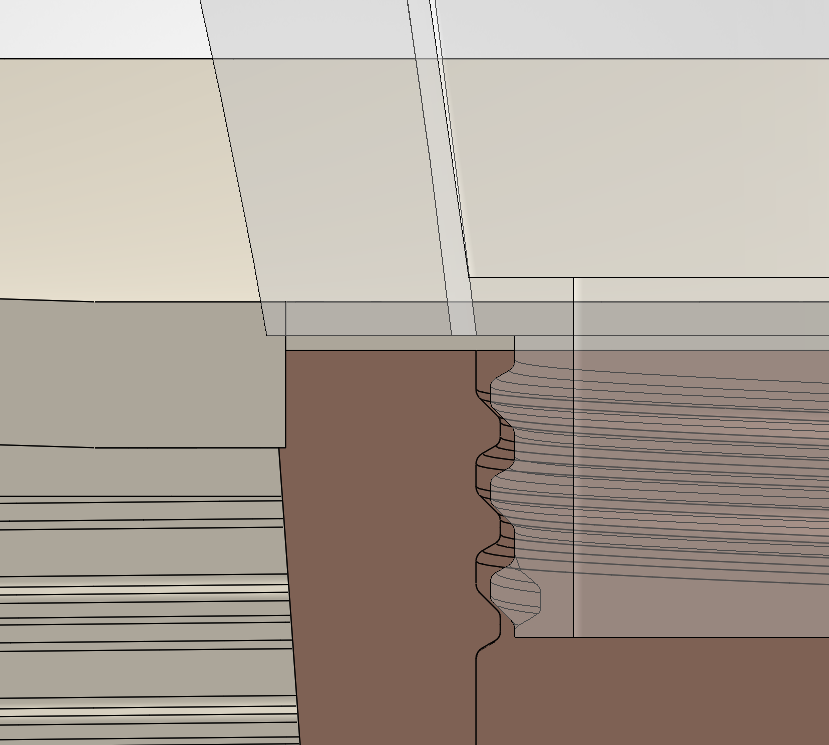
The Cap is the final piece made of PP. Aside from the monomaterial advantage in regards to recyclability, creating the Cap, Stem, and Bulb from PP has a secondary, more functionally important advantage. By creating interference (shown in the pictures above), the PP can seal itself from any fluid or gas. This provides an excellent way to enable injection molding for each individual piece while also protecting the product inside the jar from long-term exposure to its environment.
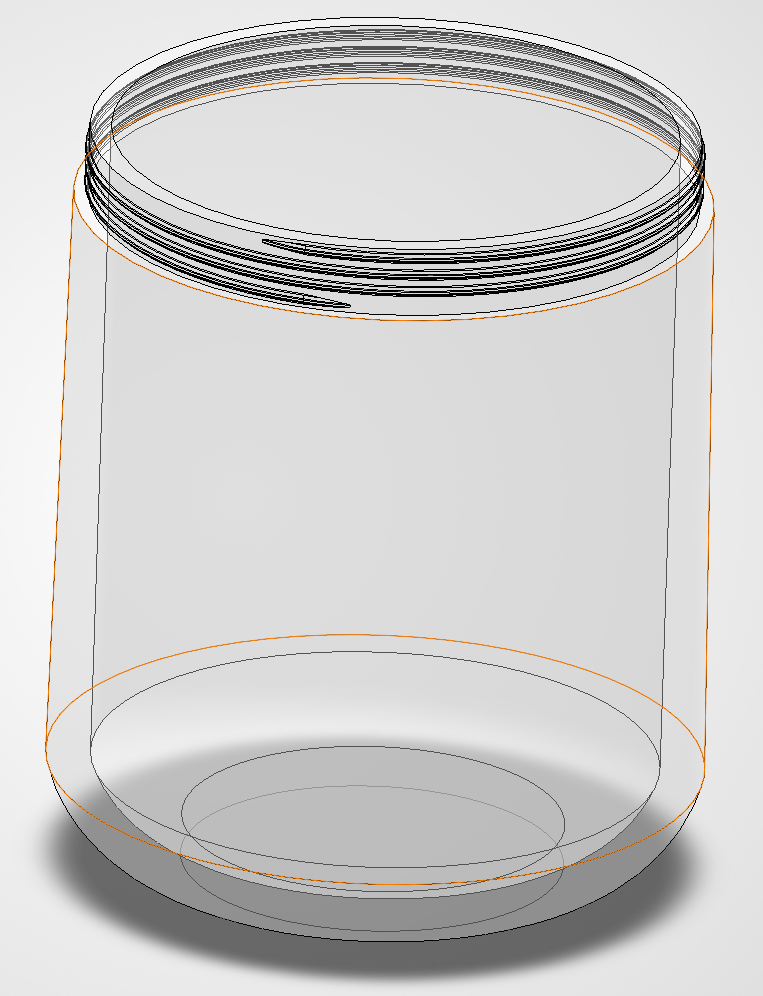
The Jar features a luxury weight, as it is made from glass and optimized for a large interior volume with a decent heft. Using a thick bottom increases the opulent sentiment, though it does not increase the cost to manufacture significantly. Though glass production can be tricky for consistent sizing and minimizing defects, this Jar is optimized for thick-bottomed glass blowing.
Once the product is finished, the Jar can be cleaned out and filled with soil, sand, or clay and a plant! With the watering orb made from the Bulb and Stem, the package can take on a second life beyond the vanity or bathroom. See below for a representation of the second life.
The Cap
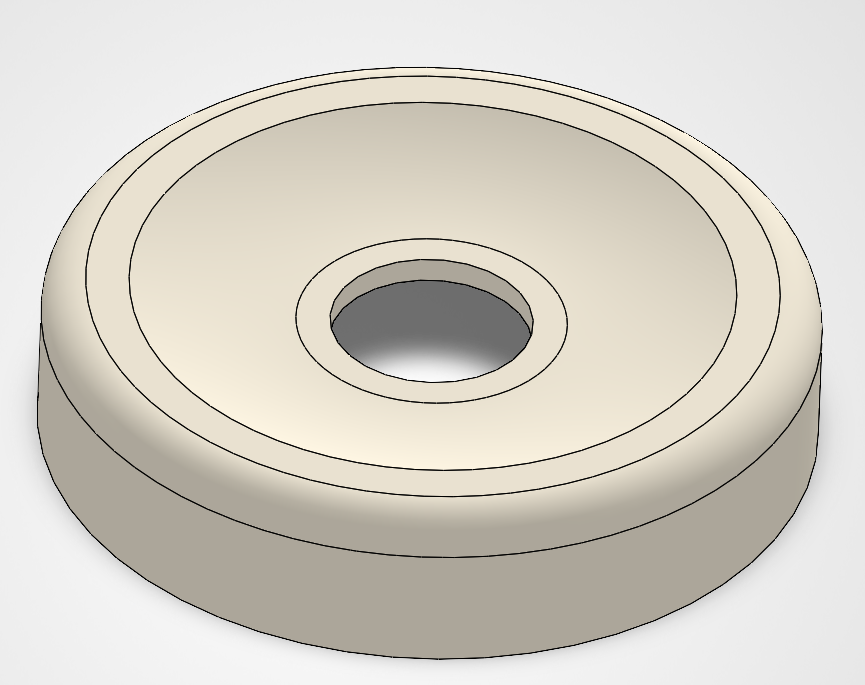
The Cap is a simple, injection molded piece that threads onto the Jar and holds the Stem and Bulb in place.
Like the Seed, the Cap has no purpose for the secondary life of the package as a planter. When the product is finished, the Bulb must be unthreaded from the Stem to release the Cap. The Cap can then be easily recycled, as PP is accepted at nearly every plastic recycling center.